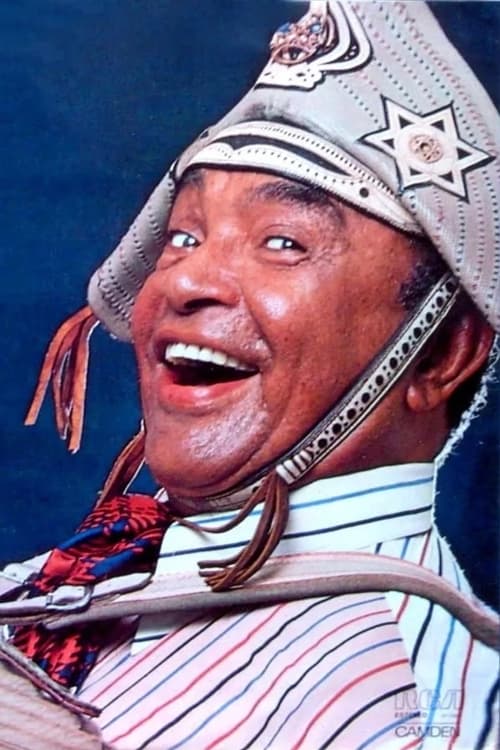
Luiz Gonzaga
Biography
Luiz Gonzaga do Nascimento (Exu, December 13, 1912 – Recife, August 2, 1989) was a Brazilian singer, composer, and multi-instrumentalist. Also known as the King of Baião, he was considered one of the most complete, important, and creative figures in Brazilian popular music.
Singing accompanied by his accordion, zabumba, and triangle (the basic set of baião singers, which he himself defined), he spread the musical culture of the Northeast acro...
Luiz Gonzaga do Nascimento (Exu, December 13, 1912 – Recife, August 2, 1989) was a Brazilian singer, composer, and multi-instrumentalist. Also known as the King of Baião, he was considered one of the most complete, important, and creative figures in Brazilian popular music.
Singing accompanied by his accordion, zabumba, and triangle (the basic set of baião singers, which he himself defined), he spread the musical culture of the Northeast across the entire country, including genres such as baião, xaxado, xote, and forró pé de serra. His compositions also described the poverty, sorrows, and injustices of his arid homeland, the northeastern sertão.
Luiz Gonzaga gained notoriety with the iconic songs "Asa Branca" (1947), "Juazeiro" (1948), and "Baião de Dois" (1950).
Adoptive father of the musician Gonzaguinha, Gonzagão influenced other MPB artists such as Geraldo Vandré, Raul Seixas, Gilberto Gil, and Caetano Veloso.
Top Movies & Series

The Trapalhões
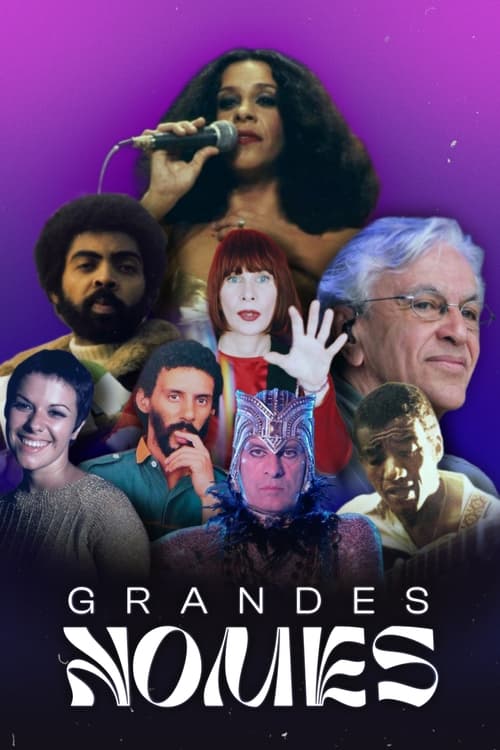
Grandes Nomes
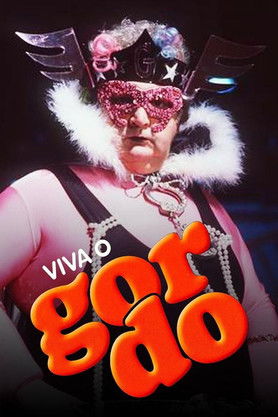
Viva o Gordo
Belair

Alceu Valença - Na Embolada do Tempo
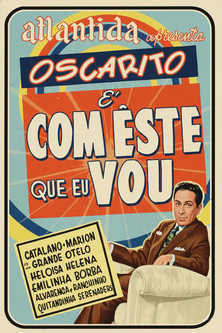
That's What I'm Gonna Do
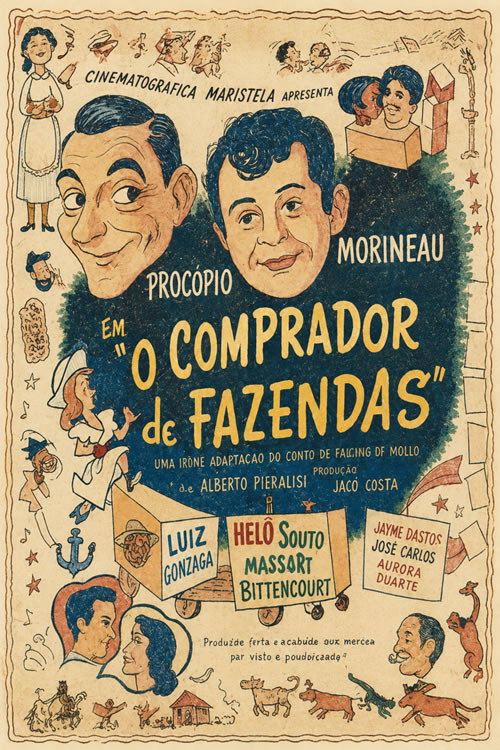
O Comprador de Fazendas
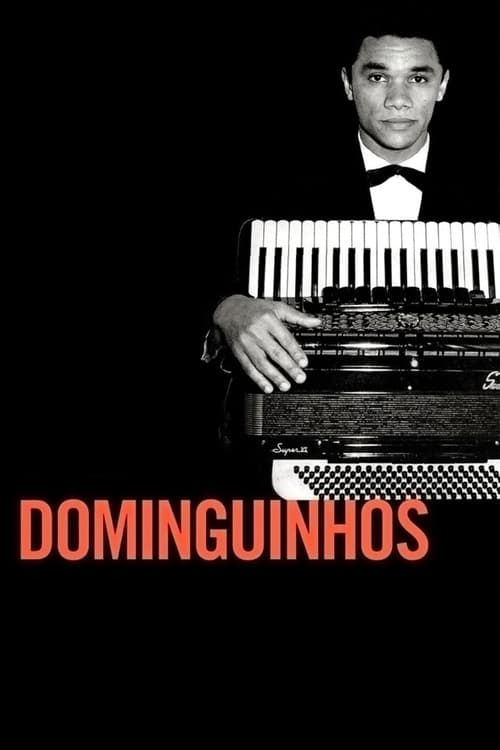
Dominguinhos
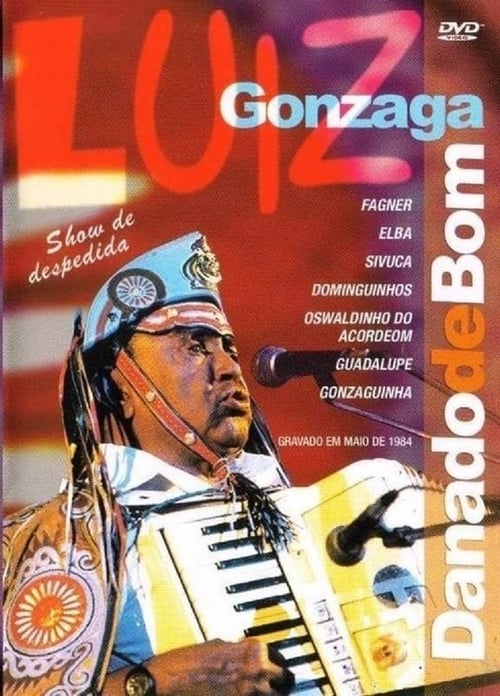
Luiz Gonzaga - Danado de Bom
No Way, Spider
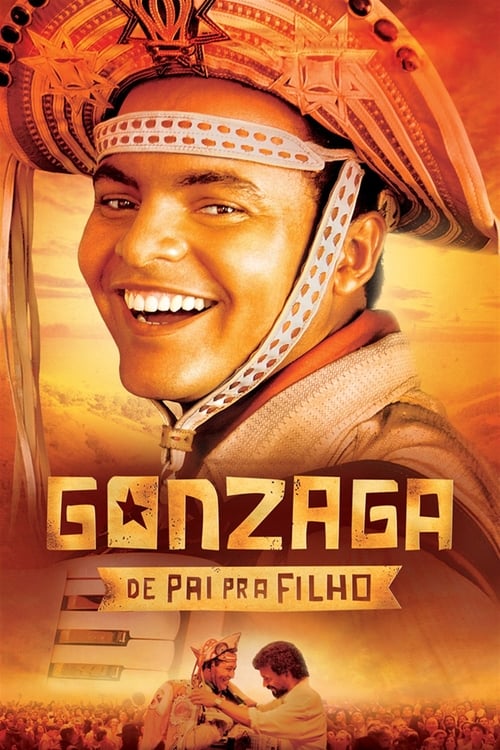
Gonzaga: From Father to Son
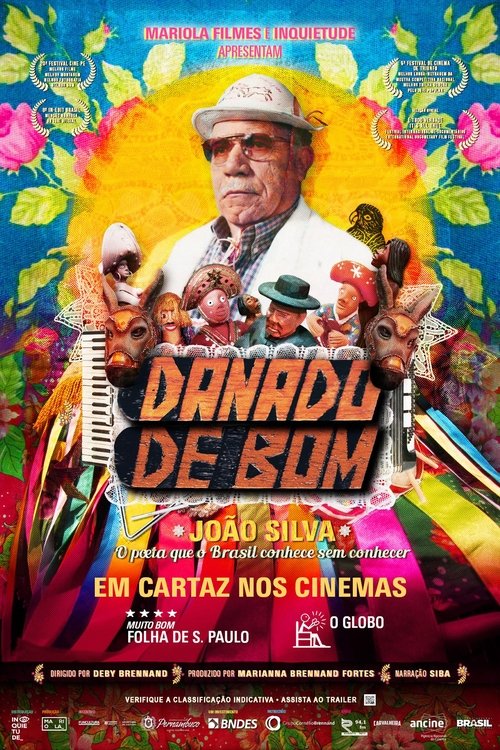
Danado de Bom
O Barato de Iacanga

Terra Violenta
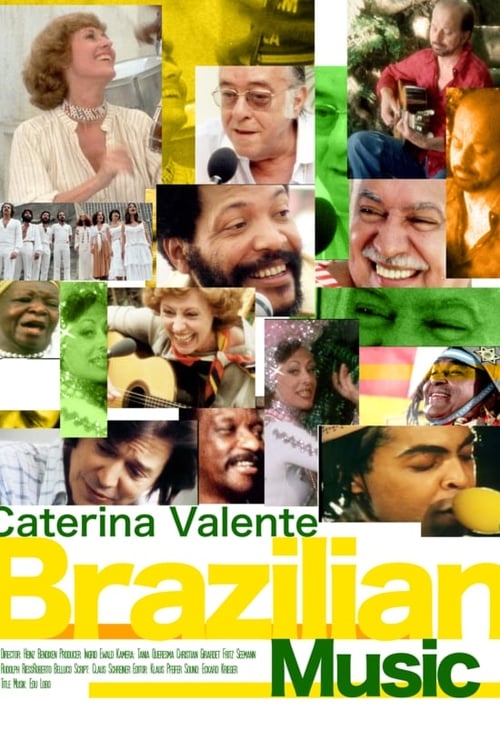
Caterina Valente presents Brazilian music
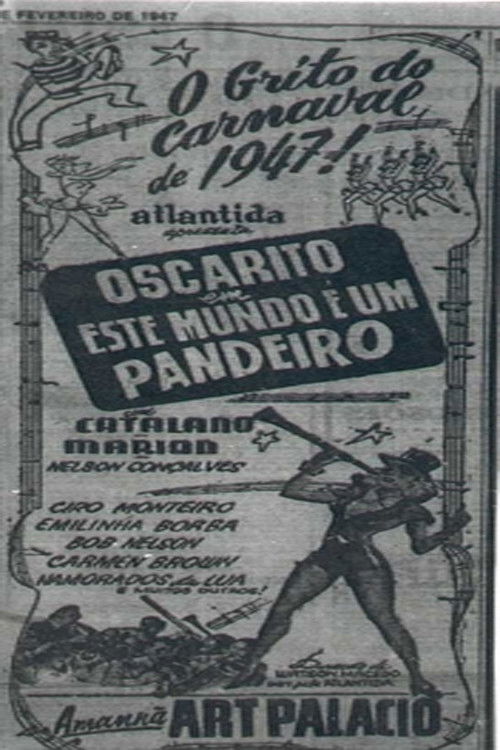
The World is a Tambourine
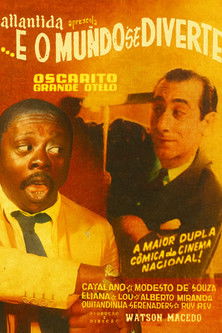
... E o Mundo Se Diverte
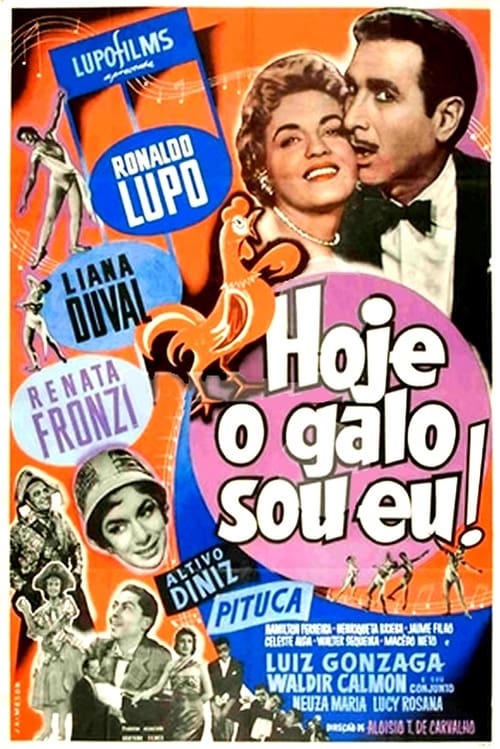
Hoje o Galo Sou Eu!

A Miss e o Dinossauro
Garoto - Vivo Sonhando